
Decks Designed for Water and Sunlight
Pool Deck Epoxy in Bozeman for outdoor concrete exposed to standing water and freeze-thaw cycles
Standing water on bare concrete creates conditions where freeze-thaw cycles crack and spall the surface within a few seasons, leaving pool decks with an unsafe, deteriorating appearance that worsens every year. Aries Resin and Construction applies epoxy and resin coatings designed specifically for pool decks across Bozeman, the valley, and residential areas throughout Gallatin County. The quartz or specialized systems recommended for pool environments provide water resistance and UV durability that standard concrete sealers cannot match.
Pool deck applications begin with subfloor preparation critical for concrete exposed to constant moisture, addressing existing damage from previous freeze-thaw cycles and ensuring proper adhesion in an environment where water tries to work underneath the coating daily. Summertime installation allows faster cure times, though wintertime remains possible with temperature management when scheduling requires completing the project before warmer months. Clear coat selection becomes critical for outdoor applications because UV exposure degrades inferior products within one or two seasons, leaving you with a coating system that yellows, chalks, or delaminates despite proper installation.
Request a property evaluation to assess your existing concrete condition and discuss finish options that balance slip resistance with the aesthetic appearance you want.
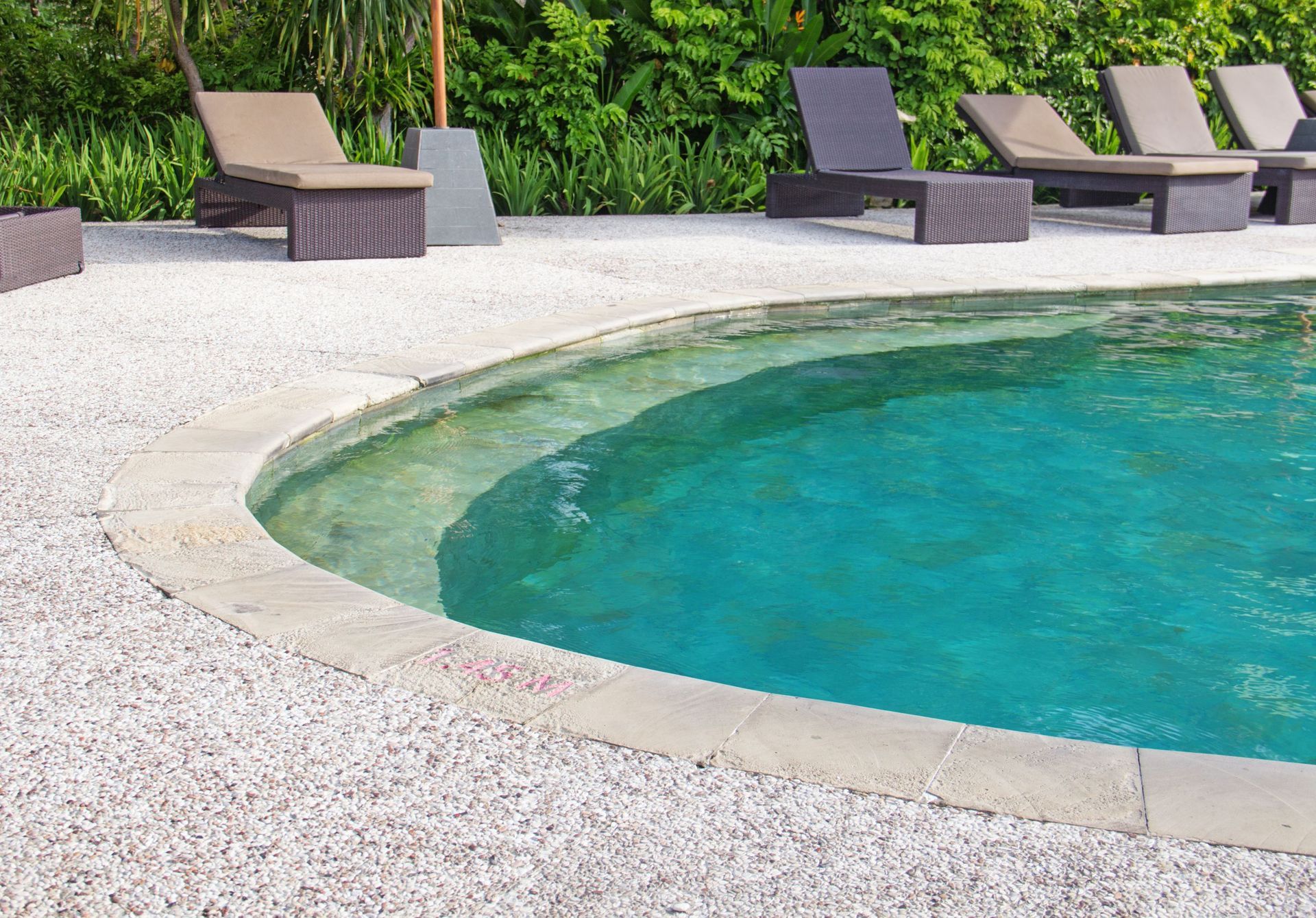
Why Water-Resistant Prep Prevents Delamination
The preparation process for pool decks differs from interior floors because moisture continuously attempts to penetrate the concrete from above through splashing and rain, and from below through groundwater movement in areas with high water tables. Spike shoes remain mandatory throughout the three-to-four-coat application because any impressions left in partially cured material become permanent imperfections where water can collect and begin working underneath the coating. UV-stable clear coats protect the color layers beneath from sunlight degradation that causes the fading and chalking visible on poorly coated pool decks after just one summer.
Once fully cured, your pool deck sheds water instead of absorbing it, preventing the freeze-thaw damage that creates dangerous surface spalling around pool edges. The slip-resistant finish provides traction even when wet, addressing the safety concern that makes bare concrete problematic near water. Metallic finish options remain available for premium appearances, though the quartz systems provide superior slip resistance for families prioritizing safety over visual impact.
The coating system prevents water penetration that would otherwise deteriorate the concrete beneath, but it does not repair structural damage already present—existing cracks and spalling require addressing during preparation or they will continue affecting the deck regardless of what coating covers them. Aries Resin and Construction received training specifically on outdoor applications and water-exposure management, covering the preparation differences and material selection required for pool environments versus interior spaces.
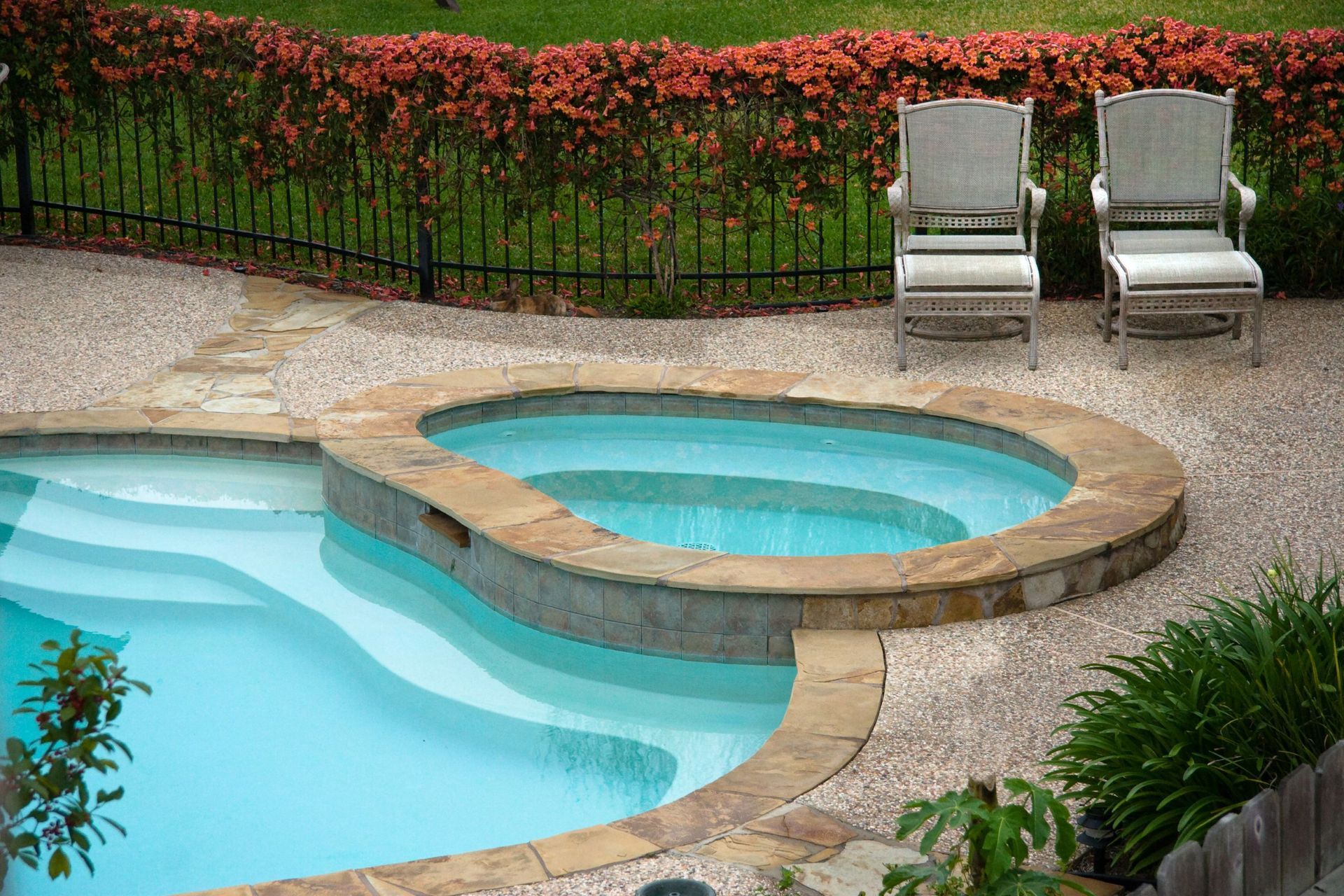
Answers Property Owners Need Before Starting
Homeowners typically ask about durability and maintenance requirements before coating outdoor concrete that faces harsh exposure conditions year-round.
What makes pool deck epoxy different from interior floor coatings?
Pool deck systems require water-resistant subfloor preparation and UV-stable clear coats that prevent delamination and color degradation from constant moisture exposure and direct sunlight, whereas interior coatings prioritize abrasion resistance without needing the same level of water and UV protection.
How long does a properly installed pool deck coating last in Bozeman's climate?
Durability depends on the clear coat quality selected and proper subfloor preparation, with UV-stable systems maintaining appearance and protection for years when water-resistant prep prevents moisture from penetrating underneath where freeze-thaw cycles cause delamination.
Why is summertime installation preferred for pool deck projects?
Faster cure times reduce the wait before you can use the deck, and warmer ambient temperatures improve material flow and adhesion, though winter installation remains possible across the valley with concrete blankets or temperature management systems when scheduling requires it.
What slip resistance should I expect from a coated pool deck?
Quartz systems provide superior traction even when wet, significantly better than bare concrete or basic sealers, while metallic finishes offer less slip resistance but premium visual appearance for areas where aesthetics outweigh safety concerns.
Can you coat a pool deck that already has cracking or spalling?
Existing structural damage requires repair during preparation or it will continue affecting the deck underneath any coating—the epoxy system prevents future water damage but does not reverse deterioration already present in the concrete substrate.
Pool deck experience documented through professional certification school included managing outdoor applications where environmental conditions affect cure times and material performance. Schedule a consultation with Aries Resin and Construction to review your deck's current condition and determine whether repair work is needed before coating application can proceed.